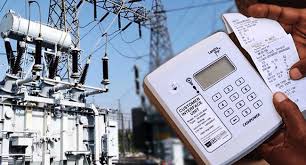
The electricity sector in Nigeria has been buzzing with tension as states clash with electricity distribution companies (DisCos) over who should set and regulate tariffs. A recent wave of headlines suggests the Federal Government (FG) is stepping in to mediate, but the fault lines between state-level tariff design and corporate tariff administration run deep. Here’s a concise rundown of what’s happening and what it could mean for households and businesses.
- Authority over tariffs: The central clash centres on who has the prerogative to design and regulate electricity tariffs. States assert that they should have a say in tariff structures as they relate to distribution within their jurisdictions, while DisCos argue for centralised regulatory control to maintain consistency and avoid a patchwork system.
- Tariff cuts and reforms: In several states, tariff cuts or proposed reductions have sparked controversy. Stakeholders question whether such adjustments align with supply reliability, metering gaps, and the overall financial health of the power sector.
- Regulatory tension with NERC: The Nigerian Electricity Regulatory Commission (NERC) has been called to mediate, with stakeholders seeking clarity on the framework that governs tariff determinations. The ongoing debate risks creating a fragmented policy environment if not resolved.
The FG’s intervention
- Mediation and policy clarification: The FG is stepping in to provide guidance and seek a clear, nationwide pathway for tariff regulation. This intervention aims to balance state autonomy with the need for uniform policy to sustain power sector reforms.
- Support for reforms: Observers indicate the FG’s involvement signals a push to avoid ad-hoc tariff changes that could destabilise investor confidence and grid reliability.
- Stakeholder meetings: In line with the typical regulatory approach, NERC has called for stakeholder meetings to hash out differences and align on a credible tariff framework.
The matter!
- Households: Tariff policy decisions directly influence monthly electricity bills. Sudden shifts without reliable metering and cost-reflective pricing can hit wallets, especially for households relying heavily on grid power.
- Businesses: For small and medium enterprises, tariff volatility creates planning uncertainty. Stable, predictable tariffs tied to service quality and fair metering can improve budgeting and competitiveness.
- Investments in the sector: Cohesive tariff policies are vital for attracting investment in metering, infrastructure upgrades, and grid modernisation.
Key questions to watch
- Will tariff regulation become more centralised, or will states retain substantial control with clear guardrails?
- How will tariff changes align with metering deployment, energy losses, and the overall financial health of DisCos?
- What assurances will be provided to ensure the reliability of power while tariff reforms roll out?
Potential paths forward
- National tariff framework with state-specific adaptations: A baseline set of rules from FG/NERC that allows for state-level tailoring where appropriate, provided core principles (cost-reflective pricing, anti-subsidy safeguards, reliability targets) are met.
- Transparent stakeholder engagement: Regular, structured consultations among FG, NERC, state authorities, DisCos, and consumer groups to prevent ad hoc policy moves.
- Monitoring and accountability: Clear metrics for tariff changes, service quality, metering progression, and consumer protection, with periodic public reporting.
Takeaways
- The tension between state tariff design and DisCo tariff administration is at a critical juncture. FG involvement signals a push toward clarity and unity in policy.
- The next steps—clear regulatory guidelines, stakeholder buy-in, and measurable performance indicators—will shape the affordability and reliability of power in the near term.
- For consumers and businesses, staying informed about tariff policy developments and upcoming regulatory decisions will be essential.